In December 2021, RTFKT took to the news feeds around the world as part of Nike's global family of brands. But what happened before that? To begin with, it is worth clarifying how to pronounce the name correctly. It's short for "artefakt" and is pronounced that way. RTFKT is a digital studio that creates products for the Metaverse. It is best known for the release of 13 pairs of digital sneakers and a collection of 20,000 CloneX avatars. In December 2021, the studio was bought by Nike, Inc. CloneX is a collection of 20000 symbols generated by algorithms designed to interact with the metaverse that was released on the Ethereum blockchain.
Creating a studio
RTFKT was created in January 2020, at the very beginning of the COVID-19 era. The appearance of the studio coincided with the birth of the metauniverse and the development of the WEB 3.0 concept, and this determined the vector of its development. The team used cutting-edge technologies, including the latest game engines, NFTs, blockchain authentication, and augmented reality. And all this is combined with the experience of creating one-of-a-kind sneakers and digital artifacts.
For several years, the studio was an informal team working strictly in the shadows. She has provided designs and concepts to gaming companies and a select few fashion brands. In 2020, the founders created an organization to bring their services to the public market. And it must be said that the market response has been excellent and the growth of RTFKT social media followers impressive. The studio even began to be called "Digital Supreme" as a counterpart to the phenomenal success of the Supreme brand in the fashion industry.
Here is what the creators themselves say: “The RTFKT project was supposed to start in 2040, but the development of human consciousness accelerated faster than expected. We are here to accelerate our digital future now.”
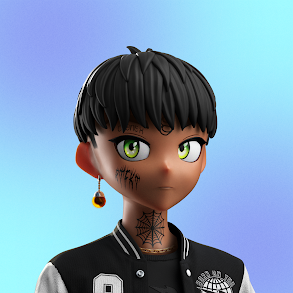
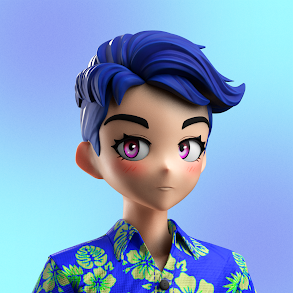
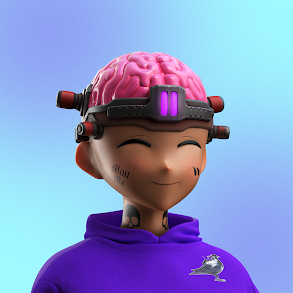
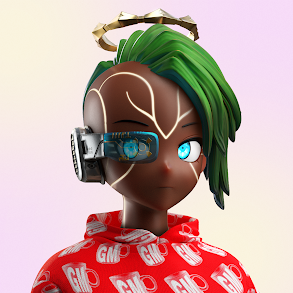
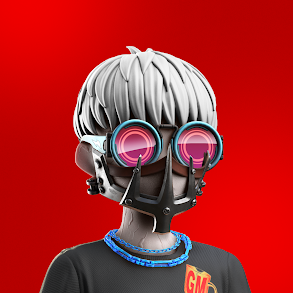
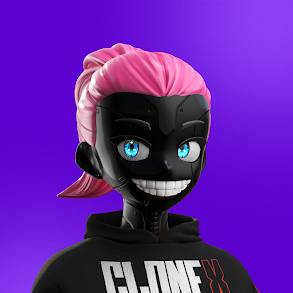
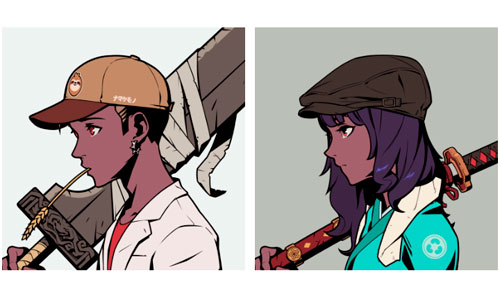
All RTFKT collections until the release of Clone X and joining Nike belong to the first chapter of the studio's history. These are independent collections, but at the same time they are united by common ideas and meanings. In Chapter 2, RTFKT moved on to building an ecosystem of artifacts around the main collection of Clone X. After all, in the metaverse, avatars will need dwellings, clothes, shoes, and a bunch of other things. At the same time, it was announced that all early collections would subsequently be integrated into the overall ecosystem being created.
Takashi Murakami' Magic
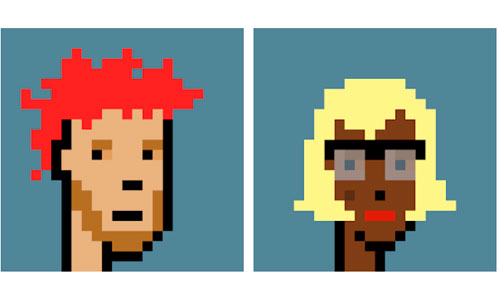
Murakami brought his own artistic touch to the collection by adding body parts to the NFT, including eyes, clothing, helmets, mouths, and other important character traits. CloneX can be immediately recognized as having a "Murakami element" due to its cartoonish art, which is its signature style. The collection was also inspired by the successful Crypto Punks collection and the CloneX team hopes to be able to create rare items that can turn into collectibles like punks. CloneX characters are technically referred to as "driven 3D models" which means owners can use them as augmented reality filters in games, cameras, and even zoom meetings!
The first batch of 10,000 avatars will be made available to existing RTFKT collectors as part of a two-day presale, after which the remaining 10,000 characters will become public. Before collaborating with RTFKT, Murakami has collaborated with other world famous fashion brands. Murakami accidentally discovered RTFKT on Instagram. He was fascinated by the potential of NFT and started talking to the company's team. Despite their different backgrounds, Murakami and RTFKT shared the same passion for immersive creations.
Unfortunately, RTFKT also has its own bad news, such as what happened in the recent NFT "Dutch Auction" for its CloneX collection. The Dutch auction works by starting with a high price, which gradually decreases until someone accepts the price. The auction was halted midway through an "attack" on its website, forcing RTFKT to change its pricing rules and set a single price of 2 ETH for the remaining NFTs. Past buyers have criticized the decision, saying it is unacceptable and unfair to buyers who have already spent large sums of money.
While platform hacks and NFT events seem to be the norm these days, OKHotShot, a network analyst, doesn't believe in the RTFKT story. Network analysts said that given the significant capital raised by the project, which amounted to $8 million, they should have at least invested in digital security. OKHotShot also requested a review of the IP addresses that "attacked" the NFT collection website to determine if the company's claim of a hack was true. RTFKT CTO Samuel Cardillo said they had already "identified" the IP addresses and blocked them immediately.
Bottom line
Now that RTFKT is under the wing of Nike, it may survive the CloneX auction controversy it went through last year, but earning the trust of the community may prove harder than expected. Trust has already established itself as a significant asset in the NFT space, and RTFKT appears to be in more or less good shape now that it has been acquired by the most valuable shoe company in the world.